Residential vs. Commercial Pest Control in Apex, NC: What's the Difference and Which Does Your Property Need?
New Horizon Pest Solutions • September 10, 2026
As nighttime temperatures drop in September and October, rodents, stink bugs, and spiders begin pushing into warm structures across Apex — and the pest pressure lands differently depending on whether the building is a home or a business. A cockroach in your kitchen is a nuisance; the same cockroach in a restaurant prep area is a health code violation. Understanding those distinctions helps you choose the right level of service before fall pest activity peaks.
Does One Pest Control Company Handle Both Homes and Businesses?
Yes — a single qualified local provider can protect both your residence and your commercial property under coordinated service programs tailored to each building type.
Working with one company for both locations means a technician already familiar with your properties, a unified service history, and scheduling that accounts for both a home's family routine and a business's operating hours. For Apex small business owners who also own or live near their commercial space, that continuity reduces gaps in coverage and simplifies record-keeping.
How Does Residential Pest Control Work in Apex?
Residential service focuses on the defined footprint of a single-family home — perimeter barriers, interior spot treatments, and monitoring in crawl spaces or attics where moisture and harborage points concentrate.
Programs are typically quarterly or bi-monthly, with reactive call-backs between scheduled visits when a new pest pressure shows up. Product selection prioritizes safety around children and pets, and technicians adjust the treatment plan seasonally — spring ant pressure calls for a different approach than fall rodent exclusion. Learn more about residential pest control services built around Apex home conditions.
Common residential pests in Apex include ants, rodents, stink bugs, and spiders — the last two spiking sharply in October as insects seek warmth and spiders follow their prey indoors.
How Does Commercial Pest Control Work in Apex?
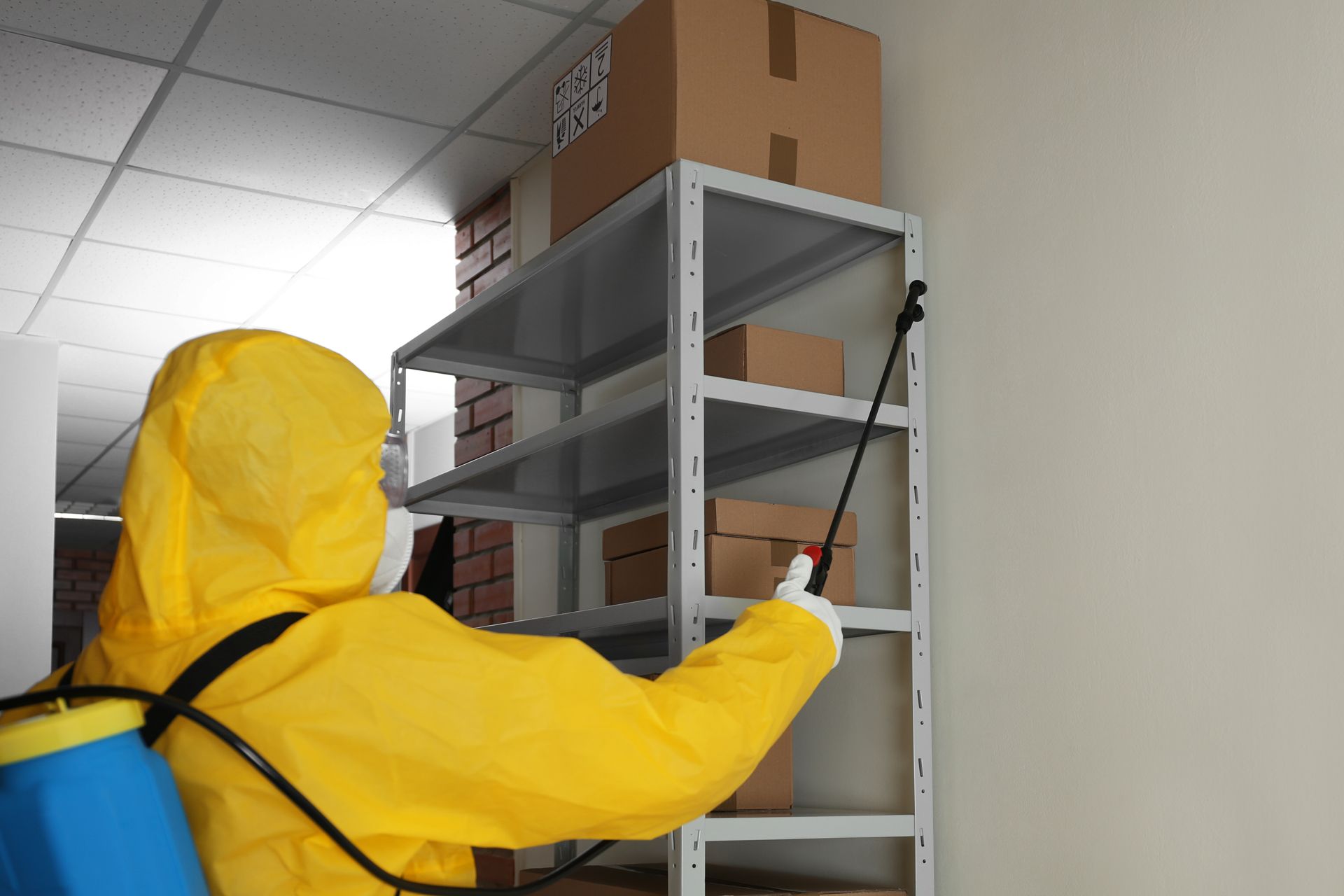
Commercial service scales to the size, occupancy type, and regulatory classification of the facility — a food-service kitchen, medical office, and warehouse each require a distinct treatment plan.
Treatment frequency for food-handling businesses in NC is typically monthly or more often, partly driven by NC DHHS inspection cycles rather than pest pressure alone. An active service log is a compliance asset: health inspectors reviewing a restaurant can and do check pest control records, and missing documentation creates liability even when no active infestation exists. Explore commercial pest control services structured around those documentation and scheduling requirements.
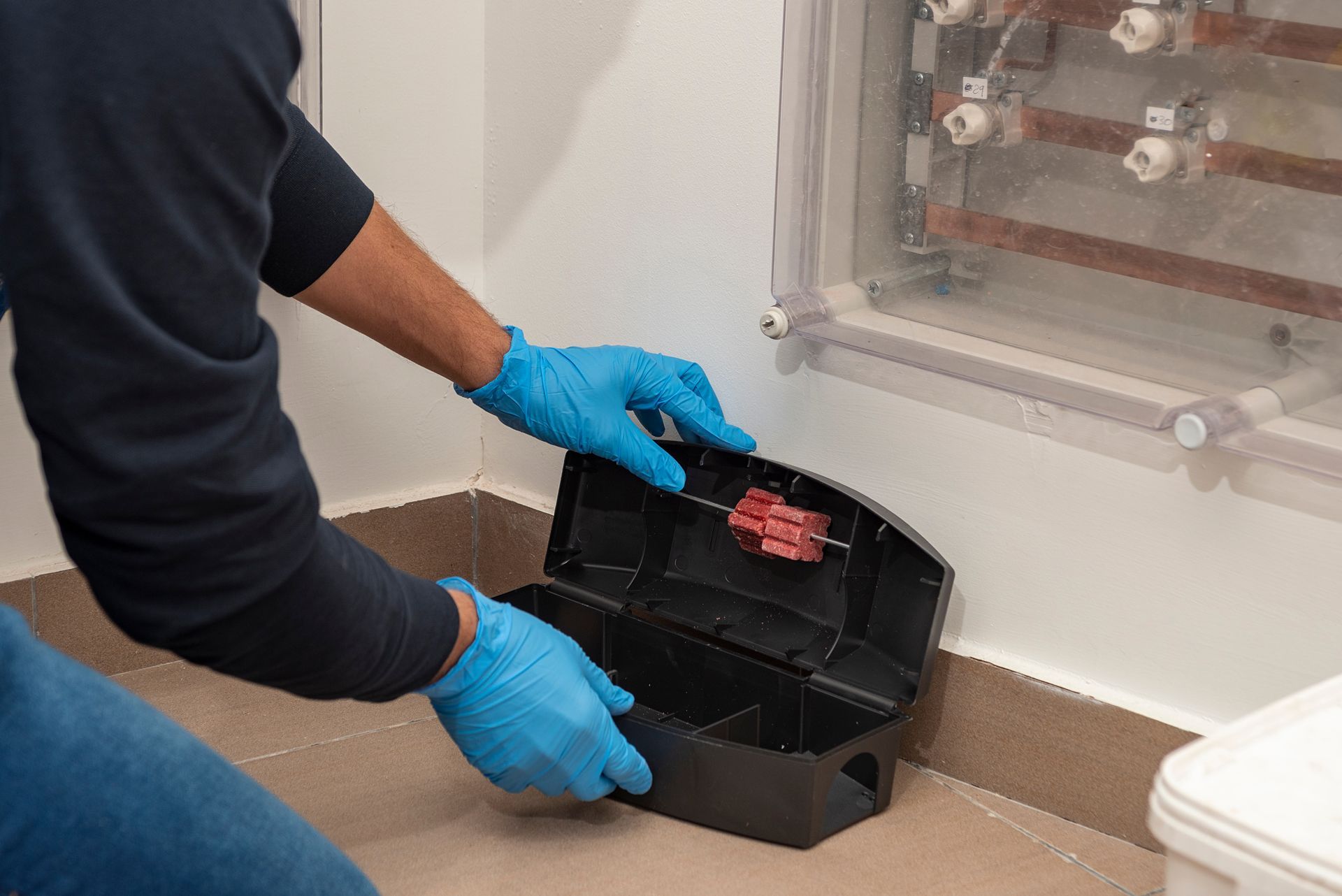
Integrated Pest Management (IPM) protocols — bait stations, pheromone traps, and exclusion-first strategies — dominate commercial work because product labels under EPA law restrict what can be applied in food-handling zones. The compliance layer is where residential-only providers often fall short.
Key Differences at a Glance
- Scope: Residential covers a single-family footprint; commercial covers multi-zone plans scaled to square footage and occupancy.
- Frequency: Residential is typically quarterly; commercial food-service is monthly or more frequent.
- Documentation: Residential reports are customer-facing only; commercial logs must be audit-ready for health inspectors and property managers.
- Products: Residential allows broader product flexibility; commercial requires EPA label-compliant selection for each site classification.
- Discretion: Commercial clients often need off-hours service and low-visibility technician access to avoid alarming customers or staff.
What Fall Pest Pressure Looks Like in Apex Right Now
September through October brings the Triangle's most predictable structural invasion window, and both property types need a proactive response before pests are already inside.
- Rodents are the highest-stakes fall pest for commercial clients — a single confirmed sighting can trigger a health department citation and close a food-service operation. Sealing foundation gaps, installing door sweeps, and screening vents before October are the most cost-effective interventions. See how targeted rodent control programs address both prevention and active infestations.
- Stink bugs are a nuisance in homes but become a customer-facing problem in retail or restaurant settings when they appear on display shelves or near food prep areas.
- Spiders — especially wolf spiders and house spiders — are an indicator pest: a sudden spike in spider activity signals that the prey insects drawing them in have already established a presence inside the structure. Addressing the underlying insect pressure eliminates the spider problem at its cause rather than its symptom.
What to Ask Before Hiring a Pest Control Provider in Apex
The right questions reveal whether a provider is equipped for your specific property type, not just pest control in general.
For commercial clients, ask whether the company supplies audit-ready service logs, which pesticide application records they retain, and how they coordinate around your inspection schedule. For residential clients, ask about seasonal program adjustments and whether crawl space and attic monitoring are included. A provider who can answer those questions clearly for both property types is equipped to handle both.
Keeping records of service history and exclusion work also supports future property decisions — for instance, having documented pest control and structural treatment history is directly relevant when moisture control work or structural evaluations come up during a property transaction.
Managing Both Properties Under One Local Provider Simplifies Everything
A coordinated service approach means your home and business share a treatment history a technician can reference, reducing repeated introductions and missed seasonal windows. For Apex property owners, that local knowledge — which fall pests are peaking, which entry points are typical in Triangle-area construction, which commercial occupancy types face the strictest inspection pressure — translates directly into fewer callbacks and cleaner compliance records.
When pest pressure at a business is addressed the same week as a home service visit, the combined data gives your technician a fuller picture of what's moving through the area and why.
Managing pest pressure effectively at both a home and a business starts with a provider who understands what each property actually requires — in scope, documentation, and seasonal timing.
Schedule a property assessment with New Horizon Pest Solutions to get a service plan matched to your Apex home, your commercial space, or both.
Recent Posts